
The shrink-swell of clays has already been the subject of a previous article available here. We return here to a particularly decisive phase: the return of the rains.
After a particularly hot and dry summer, clay soils have lost part of their water content and have shrunk. This phenomenon of shrink-swell of clays (SSC) can cause differential movements under foundations and lead to the appearance or evolution of cracks in buildings.
With the upcoming return of the rains, a new phase begins: the re-humidification of soils. After a long dry period, significant precipitation can lead to rapid and heterogeneous rehydration of clay soils, generating new movements and potentially exacerbating certain disorders.
It is therefore a particularly interesting time to monitor already cracked buildings.
Why start measuring now?
A A point measurement allows us to know the opening of a crack at a specific moment, but to truly understand its behaviour, we need to be able to track its evolution over the weeks and climatic changes.
A crack can close with the re-humidification of the soil, remain stable, or continue to evolve.
Start the measurements before the return of the rains thus allows for a reference state after the dry period, and then to precisely observe the reaction of the structure during re-humidification.
And above all, the evolution of a crack makes more sense when compared to what is happening around the building.
A dedicated pack for monitoring RGA
To go beyond just measuring cracks, FEELBAT has developed a pack specifically dedicated to monitoring the shrink-swell of clays, as part of a project funded by France 2030 and ADEME.
The principle: to simultaneously monitor the behaviour of the structure and the evolution of its environment through several complementary measurements:
- DELTA L+ mini : monitoring the evolution of cracks;
- DELTA X-Hs : measuring soil moisture;
- DELTA X-Ra : rain gauge sensor ;
RGA: Our solutions
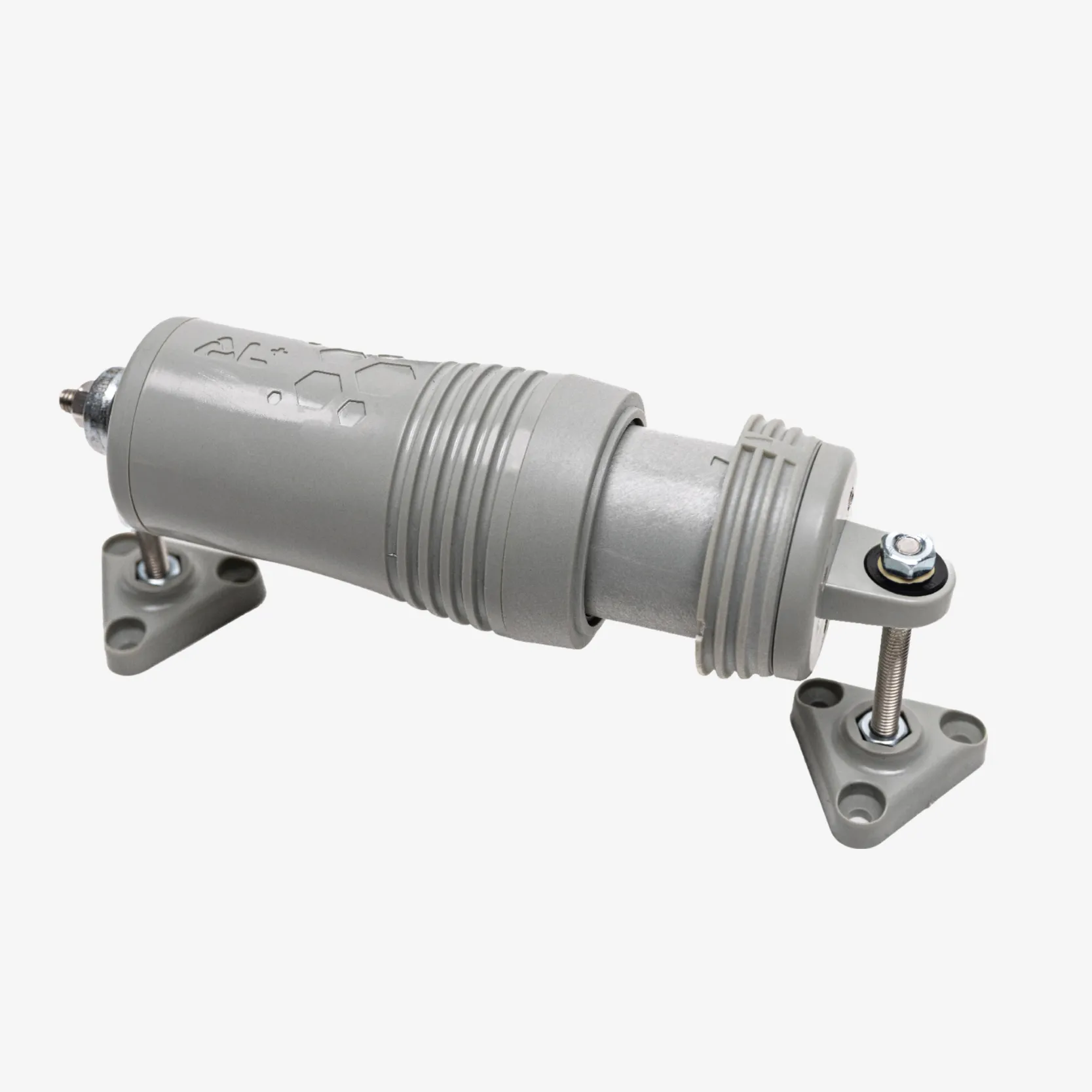
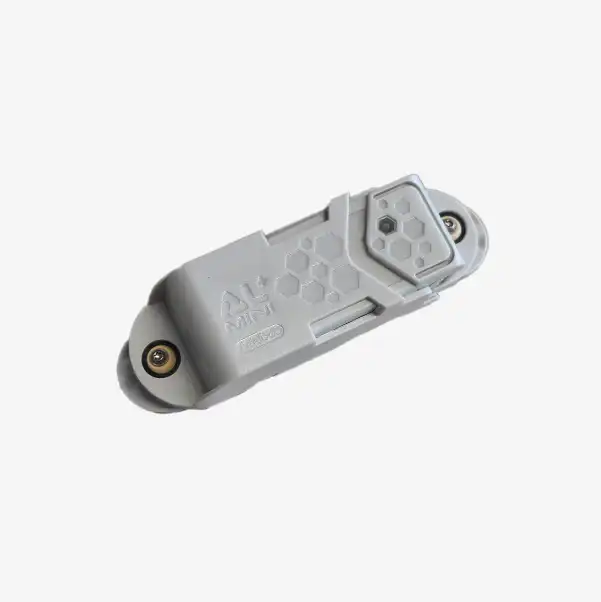
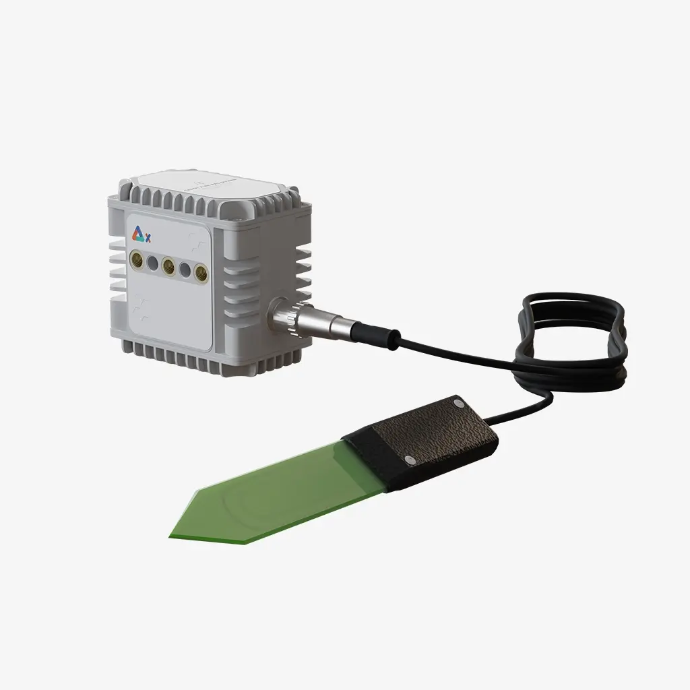
The objective is to be able to cross-reference the data on rainfall, soil moisture, and crack openings to better understand how the structure reacts to the different phases of drought and re-humidification.
Follow a complete cycle rather than an isolated crack
Monitoring alone does not allow for attributing a crack to the RGA. However, it provides experts, consulting firms, and geotechnicians with objective data over time to complement their diagnosis.
After a particularly dry summer period, the coming weeks therefore represent a strategic moment to instrument the affected buildings.
The issue is no longer just to observe a crack, but to understand how it evolves when water returns to the soil.
Monitoring does not replace professional expertise: it enhances it. It provides objective data, facilitates decision-making, and allows professionals to offer a recurring, differentiating, and high-value-added monitoring service.
Winner of France 2030, FEELBAT designs the monitoring solutions of tomorrow to better anticipate the movements of buildings related to the shrink-swell of clays.
This project was funded by the State as part of France Relance, now integrated into France 2030, and operated by ADEME.